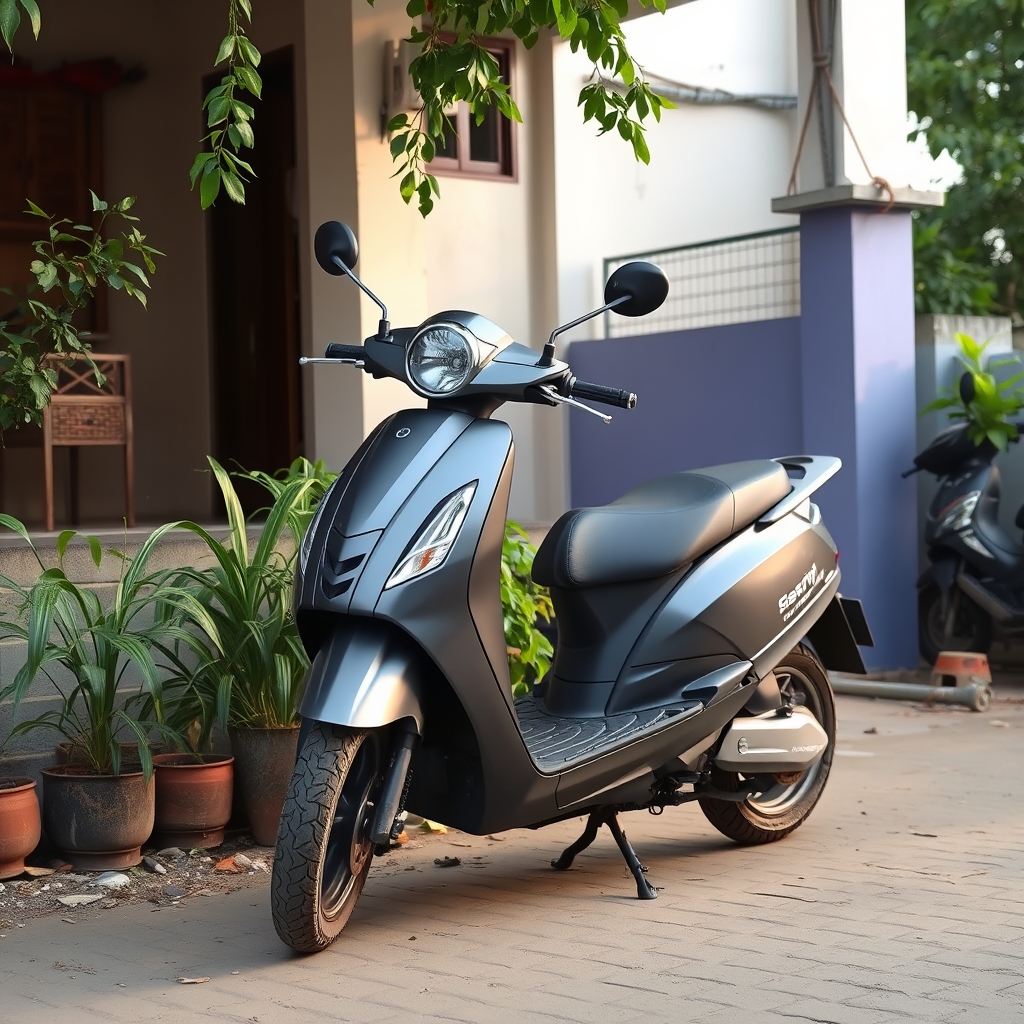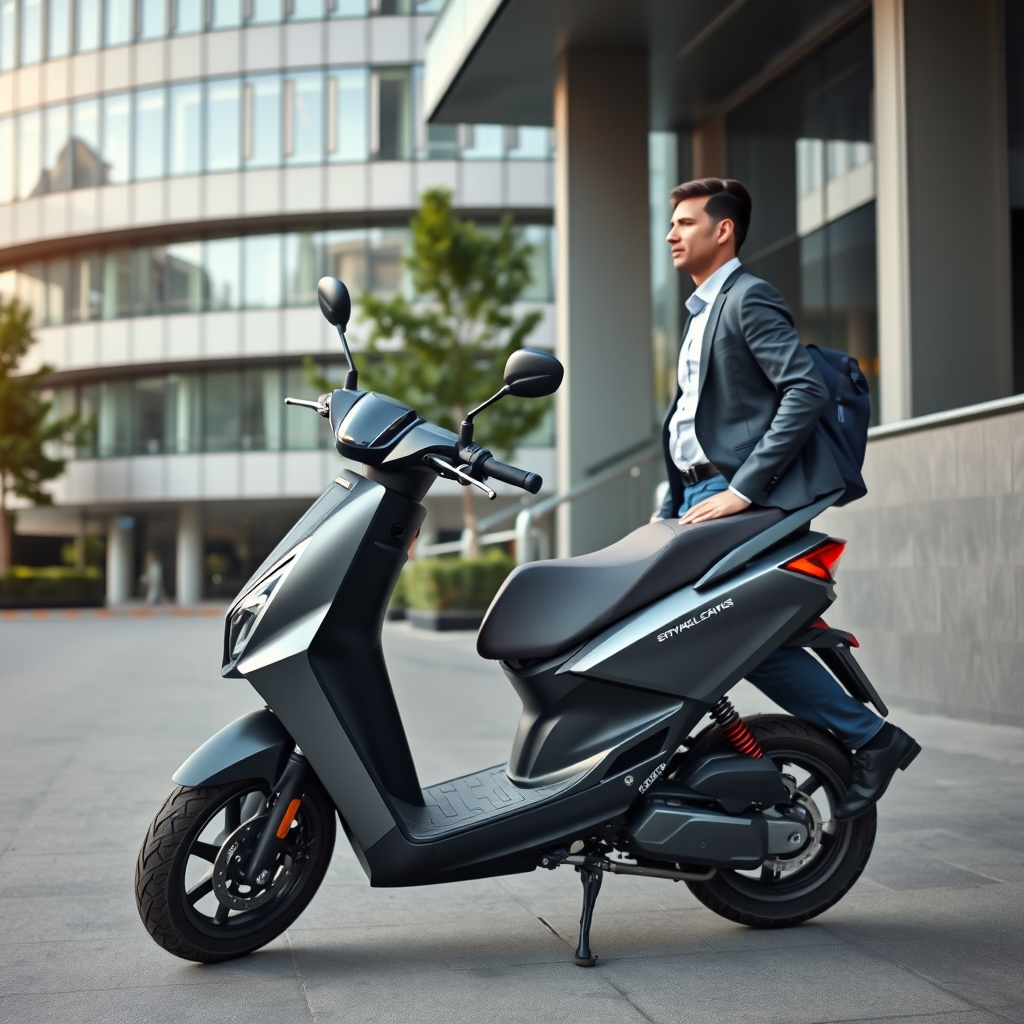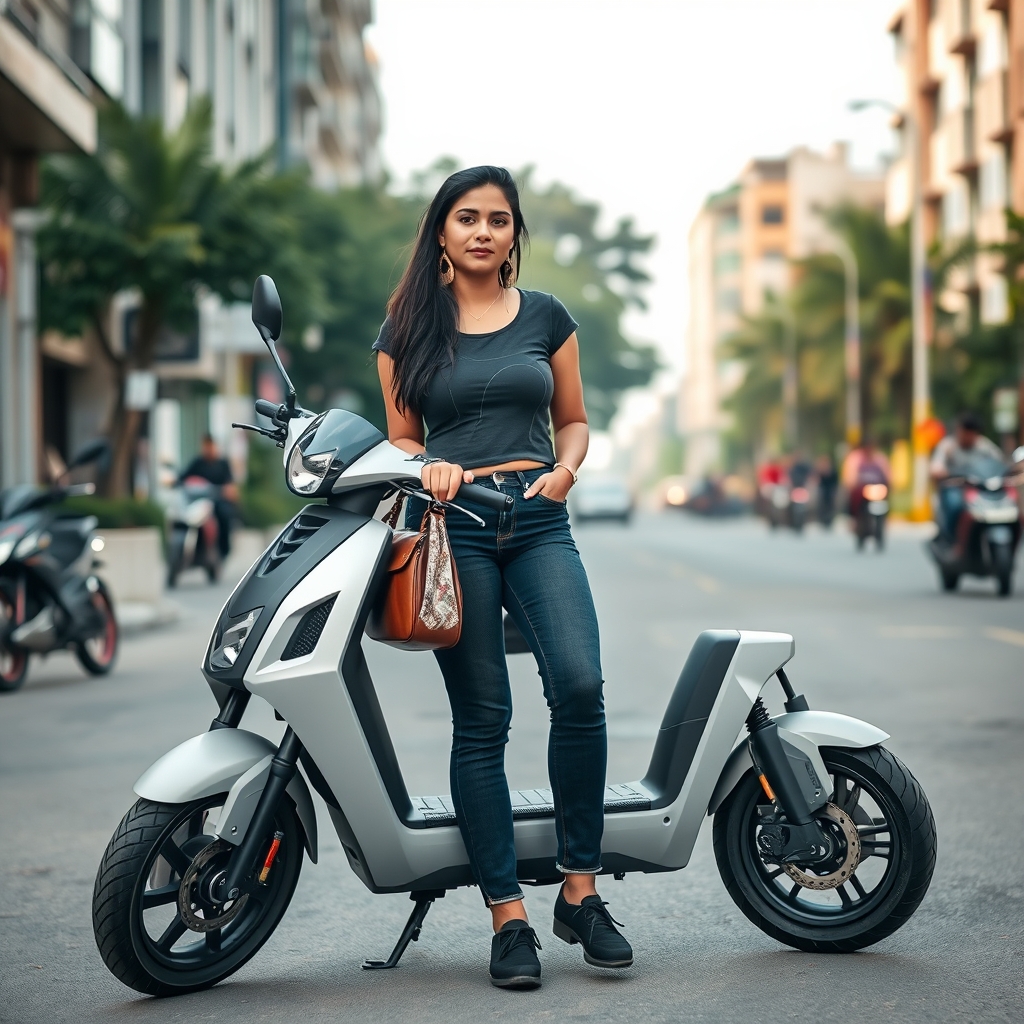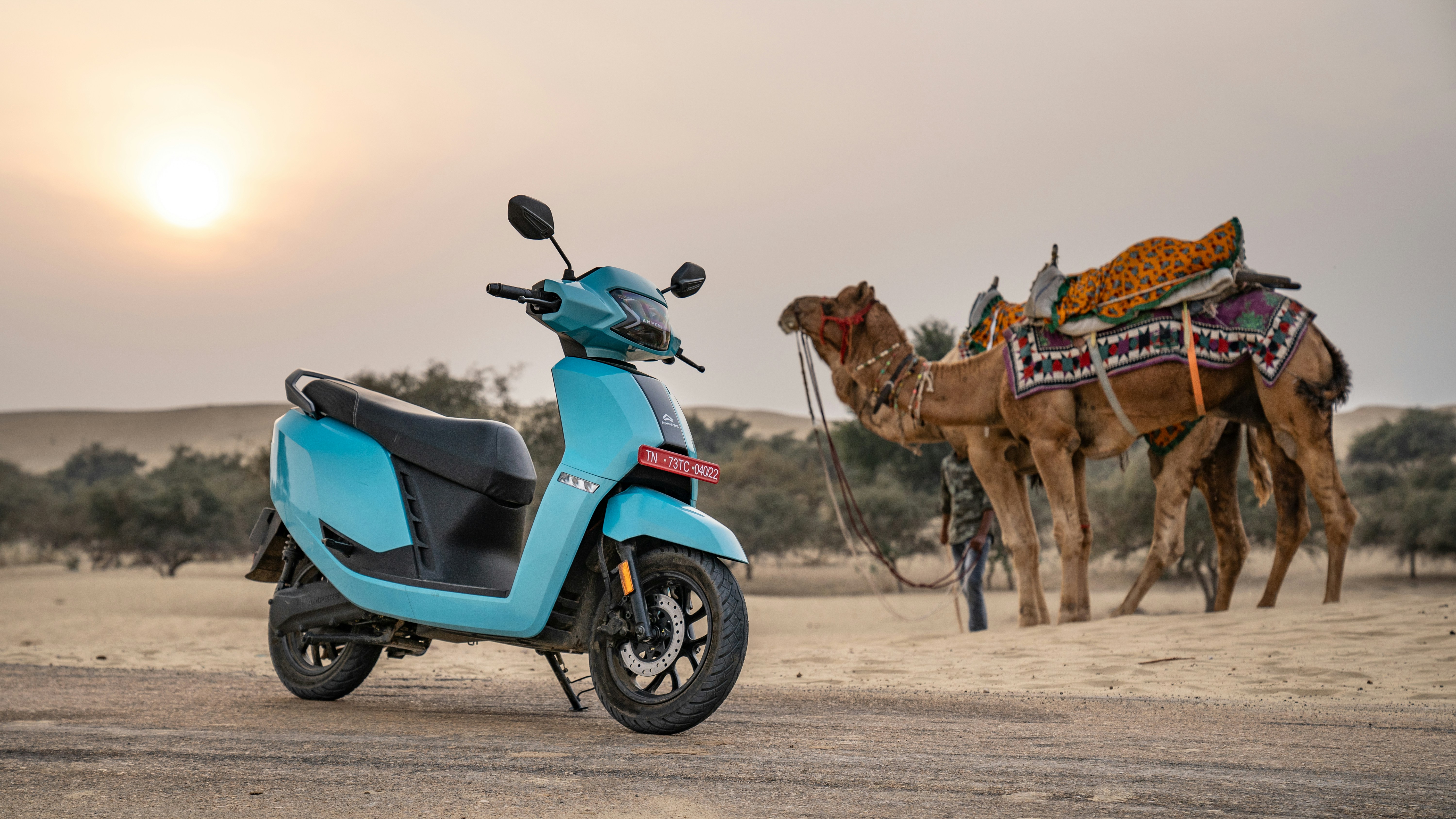
Electric scooty for daily use in India is what you search when petrol bills start to hurt and you want a smarter way to get to work. You are not alone. Lakhs of Indian riders made this switch in the last two years. The reason is simple. An electric scooty is cheaper to run. It is easy to charge at home. It fits the daily city commute better than a petrol scooter.
This guide is written by our team at VD Motors EV. We build and sell electric scooters for riders across India. We will be honest and clear about what a daily-use electric scooty really costs, how far it truly goes, how charging works, and how to pick the right model for your own route. No hype. Just straight advice you can use before you buy.
Here is everything you should know about choosing an electric scooty for daily use in India in 2026.
1. Searching for an Electric Scooty for Daily Use
When someone searches for an electric scooty for daily use they usually want the same few things. Low running cost. Enough range for the daily commute. Easy charging at home. A reliable machine that starts every morning without drama. If that is you then you are asking the right questions.
Daily use is a specific need. You are not buying a weekend toy. You need a scooty that handles the same route five or six days a week and keeps your monthly cost low. That means real range matters more than a big number on paper. Service support near you matters. Battery life matters. We cover each of these in plain terms below.
The good news is that the market in 2026 is full of solid options at fair prices. Once you know what to look for the choice becomes simple. Let us start with who we are and why our advice is worth reading.

VD Motors EV Perspective A daily-use electric scooty has one job. Get you to work and back at the lowest cost with the least fuss. Focus on real range for your commute, easy home charging, and a battery that lasts. Skip the features you will never use. Buy the range you need with a small buffer and a good warranty. That is the smart way to pick a daily rider. |
2. Who We Are and Why It Matters
Before you take buying advice from anyone you should know who is giving it. We are VD Motors EV. We are an Indian electric vehicle brand that designs and sells electric scooters for daily riders. Our vehicles run on LFP batteries and come with a multi-year warranty and a growing service network across the country.
Why does this matter for your decision? Because we work with these machines every day. We know how real riders use them. We know the range a city commuter actually gets. We know why a home socket beats a charging station for a scooty owner. We know which questions save you from a bad buy. That hands-on view is what shapes this guide.
We also believe in being honest. We will tell you what a daily-use scooty really needs and where you can save money. We will point you to the right model for your commute even if it is not our most expensive one. That honest approach is how we want every rider to choose.
Expert Note: Buy for Your Real Week The best electric scooty is the one that fits your actual commute, not the one with the biggest spec sheet. Add up your daily distance. Add a small buffer. Match that to a model with real range and a service centre near you. This one habit saves most buyers from paying for range and features they never use. |
3. What Counts as an Electric Scooty in India
An electric scooty is a two-wheeler that runs on a battery and an electric motor instead of petrol. You charge it. You ride it. There is no engine oil and no fuel tank and no petrol pump visit.
In India these vehicles fall into two clear groups. The first is the low-speed type with a top speed of around 25 km per hour. The second is the high-speed type that keeps pace with normal city traffic. This difference changes your paperwork and your daily comfort so it is worth knowing before you shop.
Most daily commuters pick a high-speed model. A top speed of 25 km per hour is simply too slow for real main roads. The high-speed models feel like a normal scooter to ride and they cover a proper daily commute with ease.
4. Licence and Registration Rules
This is the first legal question new buyers ask. The answer depends on the top speed of the scooty.
A low-speed electric scooty with a top speed of 25 km per hour or less does not need registration or a driving licence in most cases. This suits very short local trips inside a colony or a nearby market. A high-speed electric scooty needs a valid driving licence and RTO registration. This is a legal requirement for any electric two-wheeler that crosses 25 km per hour.
Our honest advice for daily riders is simple. If you ride on main roads pick a registered high-speed model. The paperwork is small and the safety and speed in traffic are worth it.
5. How Much an Electric Scooty Costs in 2026
Price is where buyers get confused the most. The sticker price you see is rarely the price you pay. Let us break it down clearly.
The first number you see is the ex-showroom price. On top of that you pay registration and insurance and road tax. This is why the on-road price is higher than the ex-showroom price. For electric two-wheelers this gap is often around 10 to 18 percent depending on your city and RTO. Here is a rough map of the market in 2026.
Segment | Price range (ex-showroom) | Best suited for |
Budget | Under 70,000 | Short local daily trips |
Mid-range | 70,000 to 1,20,000 | Most families and commuters |
Premium | Above 1,20,000 | Long distance and higher speed |
A good tip is to always ask the dealer for the on-road price for your own pin code. Two buyers in two states can pay very different final amounts for the same model. At VD Motors EV our lineup is built to sit in the value zone that most daily riders want, with easy EMI plans that start low.
Money Note: On-Road Price Is the Real Number Never judge an electric scooty on the ex-showroom price alone. Registration, insurance and road tax all add to it. Ask for the full on-road price for your pin code before you compare two models. Then compare price, running cost and warranty together. That is the honest way to find real value. |
6. The Subsidy Point You Must Check
Government subsidy has helped bring EV prices down over the years. The older FAME II scheme has already ended. It was replaced by the PM E-DRIVE scheme which offered a demand incentive for electric two-wheelers.
Subsidy rules change every financial year and they vary by state. The central demand incentive window under PM E-DRIVE ran through the middle of 2026. States like Delhi and Maharashtra and Gujarat have also run their own extra benefits on top of the central support.
The honest advice here is to confirm the current subsidy status with the dealer at the time of purchase. Do not assume a fixed subsidy amount from an old article. Ask what is active today for your state and your chosen model. This one check protects you from a wrong price expectation.
7. How Far It Really Goes on One Charge
Range is the biggest worry for new EV buyers. It is also the most misread number in the whole industry.
Brands quote a maximum range that is tested in an eco riding mode at a steady low speed. Your real day is different. You ride in traffic. You use higher speed. You carry a pillion. You climb a flyover. All of this pulls the real range below the quoted figure. A fair rule of thumb is to expect real-world range at around 60 to 75 percent of the quoted maximum. So a scooty that claims 120 km on paper often gives a real 70 to 90 km in normal city use.
Do the simple math for your own life. Add your office distance both ways. Add a small buffer for errands. If your daily need is 30 to 40 km then a scooty with a real 70 km range gives you two full days on one charge. You do not need the biggest battery on the market. You need enough range with a safety margin. Our models are built for this exact daily rhythm.
8. Home Charging: The Real Daily Win
People talk a lot about charging stations. The truth for a scooty owner is much simpler and much better.
You charge an electric scooty at home from a normal wall socket. Most models plug into a standard 5A socket. You park at night. You plug in. You wake up to a full charge. There is no petrol pump visit and no queue and no fuel spill on your hands. A typical scooty takes around 4 to 6 hours for a full charge from a standard home socket. Some models charge faster.
This one point changes your relationship with your vehicle. You stop thinking about fuel at all. Your scooty is simply ready every morning. For a daily rider this overnight habit becomes second nature within a week. It is the quiet luxury of owning an electric scooty for daily use in India.
Charging Note: A Home Socket Is Enough Most electric scooters charge from a normal 5A home socket. No special installation is needed for daily use. Plug in overnight and start every morning with a full charge. There is no fuel run in your day. For a daily commuter this is the single biggest convenience of going electric. |
9. Running Cost: Electric vs Petrol
This is where the money story becomes very clear. Let us compare a normal daily commute honestly.
A petrol scooter in a city costs a few rupees per kilometre once you add fuel and regular service. Over a full year of daily riding this adds up fast. Many riders spend well over 30,000 rupees a year just on petrol. An electric scooty runs on cheap home electricity. The running cost per kilometre is a small fraction of petrol.
Daily distance | Petrol scooter (approx) | Electric scooty (approx) |
20 km / day | About 50 rupees / day | A few rupees / day |
40 km / day | About 100 rupees / day | A few rupees / day |
Over one year | 30,000 rupees or more | A small fraction of that |
There is a second saving people forget. An electric scooty has far fewer moving parts. There is no engine oil. There is no clutch. There are no spark plugs. So your service bills drop sharply too. Lower fuel cost plus lower service cost is the full picture. Across a few years these savings pay back a large part of the purchase price.
10. Why the Battery Type Matters
Not all EV batteries are the same. The battery is the heart of the scooty and its most expensive part. So this choice deserves real attention.
Two chemistries are common in India. One is NMC which packs high energy in a small size. The other is LFP which stands for Lithium Iron Phosphate. LFP has become a favourite for daily riders and for good reason. It runs cooler. It handles Indian heat better. It has a very long cycle life which means it holds up over thousands of charges. In plain terms an LFP battery is built to last the life of the scooty under normal use.
At VD Motors EV we use LFP batteries across our range for exactly this reason. Safety and long life matter more to a daily rider than a small size advantage. When you shop always ask two questions about the battery. What is the chemistry. What is the warranty. A confident brand answers both without hesitation.
11. Choosing the Right Model for Your Commute
There is no single best scooty for everyone. The best one is the one that fits your life. Here is a simple way to decide based on the kind of rider you are.
If you are a city commuter who rides to office and back then focus on real range and comfort and a service network near you. If you are a woman rider or a shorter rider then look at seat height and kerb weight and how easy the scooty is to balance at a stop. A lighter frame with a low seat is far easier to handle in daily traffic and tight parking.
If you carry a pillion often then check the payload and the real range with two people on board. If you ride longer distances then pick a bigger battery and a model with faster charging. Match the scooty to your real week and not to a spec sheet you saw online. This one habit saves you from buyer regret.
Ready to Ride? Looking for an electric scooty for daily use in India? Visit vdmotors.in or call 022-69710208. Book a free test ride at your nearest location and check the range for your own route before you decide. Our team can also walk you through easy EMI plans that start low with zero down payment options. |
12. Maintenance and Warranty
An electric scooty is low maintenance by design. There is no engine oil to change and no regular tune-up like a petrol vehicle. Your main jobs are simple. Keep the tyres at the right pressure. Keep the brakes healthy. Charge the battery in a sensible range and avoid leaving it fully drained for long periods.
Warranty is your safety net so read it with care. A strong warranty on the frame and the battery and the electricals gives you peace of mind for years. At VD Motors EV we back our scooters with a solid multi-year warranty so a daily rider can ride without worry.
One caution. Get your scooty serviced only at authorised centres. Repairs at an unauthorised workshop can void your warranty and can put the wrong parts into your machine. On a vehicle you ride every day that is a risk worth avoiding.
13. Common Mistakes First-Time Buyers Make
Learning from other buyers is cheaper than learning the hard way. Here are the mistakes we see most often.
The first mistake is chasing the biggest range number. A huge battery costs more and adds weight and you may never use that range on a daily commute. The second mistake is ignoring the service network. A great scooty with no nearby service is a poor choice. The third mistake is judging price on the sticker alone instead of the on-road price and running cost together.
The fourth mistake is skipping the test ride. Every scooty feels different. Ride it before you commit. Avoid these four and you will make a confident, sensible choice.
14. Why an Electric Scooty Suits Daily Indian Riding
Let us answer the real question plainly. For a daily rider in an Indian city an electric scooty makes strong sense in 2026.
The running cost is a fraction of petrol. The service cost is lower. Home charging removes the daily fuel run from your life. The technology has matured and reliable models are now easy to find. The one honest condition is this. Buy a model with real range for your commute, a good battery warranty, and a service centre near you. Do that and the switch pays you back month after month.
The petrol scooter you keep costs you money every day it sits in your garage. The electric scooty you buy starts saving you money the day you plug it in.
15. How VD Motors EV Helps You Switch
Here is exactly how we help you make the switch. We are an Indian electric vehicle brand with a growing service network across the country and vehicles built for daily riders. We design our scooters around real commutes, with usable range, LFP batteries, and a multi-year warranty.
We start by understanding your commute and your budget. We help you pick the model that fits your daily distance and your rider type. We explain the on-road price and the EMI options in plain terms with no hidden surprises. We offer a free test ride so you can feel the scooty and check the range for your own route before you commit.
Our goal is simple. To be the trusted brand you were looking for when you searched for an electric scooty for daily use in India. Real value, easy charging, honest advice, and support that stays with you after the sale. That is the care a daily rider deserves.
What You Get With VD Motors EV
● An electric scooty built for real daily commutes across India.
● LFP batteries chosen for safety and long life in Indian heat.
● Usable real-world range with a sensible daily buffer.
● Easy home charging from a standard socket, no special setup.
● A multi-year warranty on the frame, battery and electricals.
● Easy EMI plans that start low with zero down payment options.
● A free test ride so you can check the range for your own route.
● A growing service network to support you after the sale.
Closing Thoughts
An electric scooty for daily use in India is a smart, practical choice in 2026. It saves you money on fuel and service. It charges easily at home. It fits the daily city commute better than a petrol scooter. The technology is mature and reliable models are easy to find.
If you are buying, keep it simple. Confirm the on-road price for your pin code. Check the current subsidy status with the dealer. Ask for the battery chemistry and warranty. Look at real-world range, not just the quoted maximum. Find a service centre near you. And always book a test ride before you decide.
Do that and you will pick a daily rider that keeps saving you money for years. When you are ready to switch, VD Motors EV is ready to help, with the right model, honest advice, and a free test ride wherever you are in India.
Frequently Asked Questions
These are the questions daily riders across India ask us most before buying an electric scooty.
FAQ 1: Is an electric scooty good for daily use in India?
Yes. An electric scooty is well suited for daily city use. It offers low running cost, easy home charging, and enough range for a normal commute. Pick a model with real range for your route and a service centre near you and it will serve you well for years.
FAQ 2: Do I need a licence to ride an electric scooty?
You need a valid driving licence and RTO registration for any electric scooty with a top speed above 25 km per hour. A low-speed model at 25 km per hour or less is exempt in most cases. Most daily riders choose a registered high-speed model for real roads.
FAQ 3: How much does it cost to charge an electric scooty at home?
Home charging costs only a few rupees of electricity for a full charge. This is far cheaper than petrol for the same distance. You plug into a standard home socket and charge overnight, so your scooty is ready every morning.
FAQ 4: How far does an electric scooty go on one charge?
Real-world range is usually around 60 to 75 percent of the quoted maximum. A scooty rated at 120 km often delivers a real 70 to 90 km in normal city riding. For most commuters that is one or two full days on a single charge.
FAQ 5: Which battery is best for an electric scooty in India?
LFP or Lithium Iron Phosphate batteries are a strong choice for Indian conditions. They run cooler, handle heat better, and last for thousands of charge cycles. Always ask for the battery chemistry and the warranty before you buy.
FAQ 6: Is an electric scooty cheaper than a petrol scooter?
The purchase price can be similar but the running cost is far lower. You save on fuel and on service because there is no engine oil, clutch or spark plugs. Over a few years these savings pay back a large part of the price.
FAQ 7: How much maintenance does an electric scooty need?
Very little. There is no oil change and no engine tune-up. You mainly keep the tyres and brakes healthy and charge the battery sensibly. Service it only at authorised centres so your warranty stays intact.
FAQ 8: Is there a government subsidy on electric scooters in 2026?
Subsidy rules change every year and vary by state. The older FAME II scheme ended and was replaced by PM E-DRIVE. The central demand incentive window ran through the middle of 2026. Always confirm the current status with the dealer for your state at the time of purchase.
FAQ 9: Can I buy an electric scooty on EMI?
Yes. Most brands including VD Motors EV offer EMI plans through partner banks, often with low monthly amounts and zero down payment options. Ask the dealer for the exact plan on your chosen model.
FAQ 10: How do I choose the right electric scooty for my commute?
Add up your daily distance both ways and add a small buffer. Match that to a model with real range above your need. Then check seat height and weight for your comfort, the battery warranty, and a service centre near you. Finally, take a test ride before you decide.
How-To: Buy Your First Electric Scooty
Here is the simple path to choosing the right electric scooty for daily use with our team.
1. Note your daily commute distance, both ways, plus a buffer for errands.
2. Decide your rider type. City commuter, shorter rider, or pillion carrier.
3. Set a budget and remember to think in on-road price, not just ex-showroom.
4. Shortlist models with real range above your daily need.
5. Check the battery chemistry and warranty on each shortlisted model.
6. Confirm a service centre near your home or office.
7. Visit vdmotors.in or call 022-69710208 to ask about models and EMI.
8. Book a free test ride and check the range for your own route.
9. Confirm the on-road price and current subsidy status, then buy with confidence.