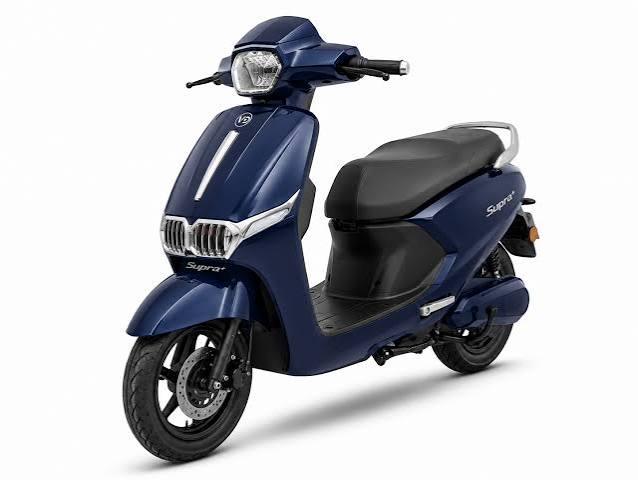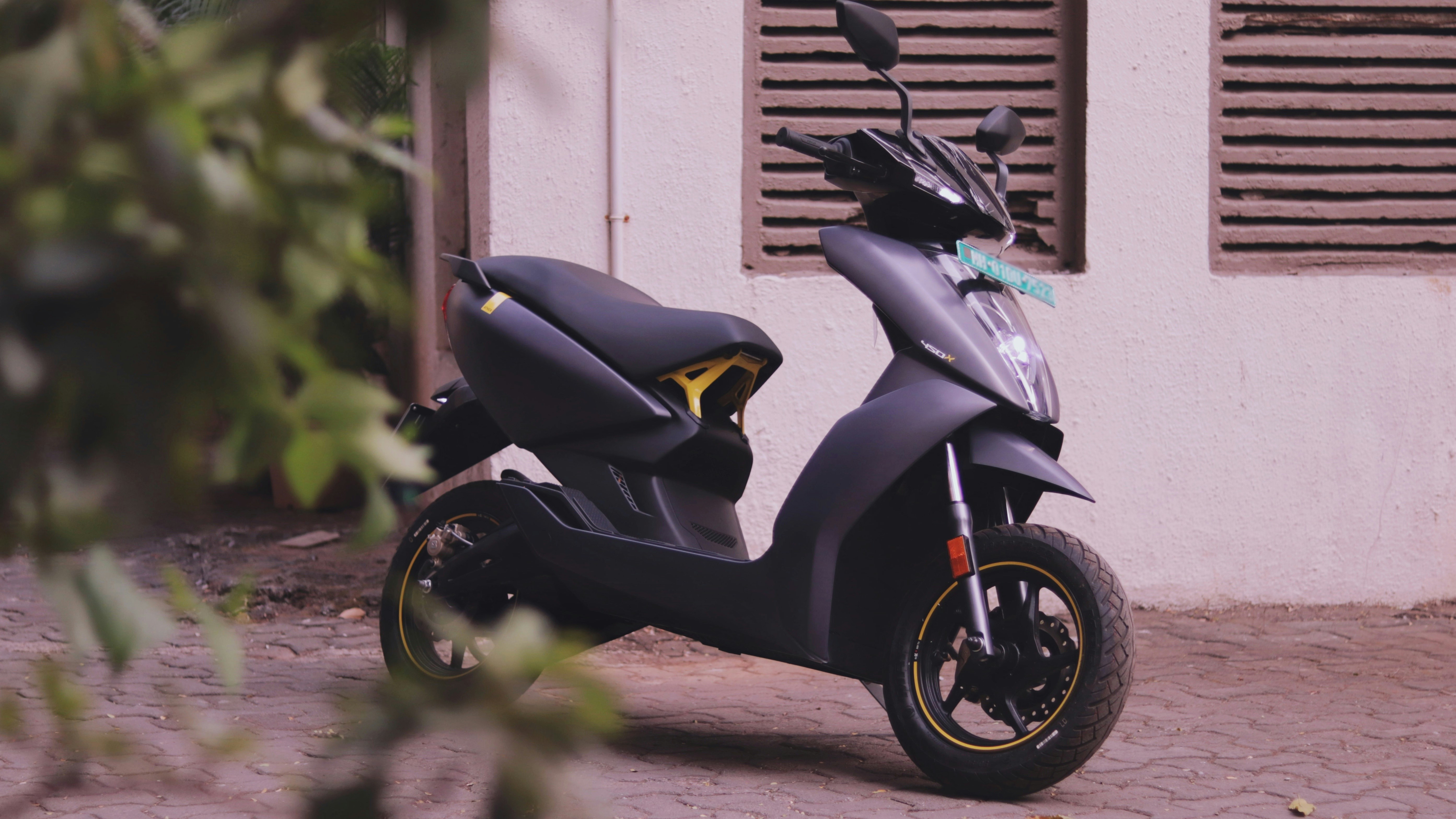
Electric scooter vs petrol scooter is the question on the mind of almost every Indian two-wheeler buyer today. Petrol prices keep climbing. Electric options keep getting better. So the choice is no longer simple. It is a real decision that affects your daily cost for years to come.
This guide is written by our team at VD Motors EV. We build and sell electric scooters for daily riders across India. We will compare both honestly. Cost, range, charging, maintenance, performance, and more. We will not pretend electric is perfect and petrol is useless. Both have real strengths. Our job is to lay out the facts so you can choose what fits your life.
Here is a clear, honest comparison of electric scooters and petrol scooters for India in 2026.
1. What This Comparison Is About: Electric Scooter vs Petrol Scooter
Both an electric scooter and a petrol scooter do the same basic job. They get you around town. The difference is what powers them. A petrol scooter burns fuel in a small engine. An electric scooter runs on a battery and an electric motor. That single difference changes almost everything about owning one.
It changes how much you spend every month. It changes how you refuel or recharge. It changes the service you need and the noise you make. So this comparison is not about which is a better vehicle in theory. It is about which one fits your daily riding, your budget, and your city better.
We will go point by point through the things that actually matter to a daily rider. By the end you will know which choice suits you and why.
VD Motors EV Perspective A petrol scooter is cheaper to buy and easy to refuel anywhere. That is its real strength. An electric scooter costs far less to run and to maintain, and it charges at home overnight. For most daily city riders in India the low running cost of electric wins over the years. For heavy long-distance rural use petrol still has a place. |
2. Who We Are and Why It Matters
Before you take buying advice from anyone you should know who is giving it. We are VD Motors EV. We are an Indian electric vehicle brand that designs and sells electric scooters built for daily use. Our vehicles run on LFP batteries and carry a multi-year warranty.
Why does this matter here? Because we work with electric scooters every day and we know exactly where they win and where petrol still makes sense. We will be honest about both. A guide that only praises electric would not help you make a real decision, and it would not deserve your trust.
So we will give petrol its due and point out the genuine downsides of electric too. Then we will help you weigh it all for your own riding. That is the honest way to compare.
Expert Note: The Answer Depends on How You Ride There is no single winner for everyone. The right choice depends on your daily distance, your city and your budget. Short and medium daily commutes in a city favour electric strongly on cost. Very long daily distances or areas with no charging access can still favour petrol. Match the vehicle to your real week. |
3. Electric Scooter vs Petrol Scooter: The Quick Verdict
If you want the short answer here it is. An electric scooter costs much less to run and maintain and is cleaner and quieter. A petrol scooter is cheaper to buy, faster to refuel anywhere, and better for very long distances. Here is a clear side-by-side of the points that matter.
Factor | Electric Scooter | Petrol Scooter |
Running cost | Very low, a fraction of petrol | High, rises with fuel prices |
Purchase price | Similar or slightly higher | Often lower upfront |
Refuel or charge | Charge at home overnight | Refuel in minutes anywhere |
Maintenance | Very low, few moving parts | Regular oil and engine service |
Range or mileage | Enough for daily commutes | Very long between refuels |
Noise | Silent | Engine noise |
Pollution | Zero tailpipe emissions | Emits exhaust |
Best suited for | Daily city commuting | Long distance and rural use |
Keep this table in mind as we go deeper. Each point below gets a proper explanation so you understand why it matters for you.
4. Running Cost: The Biggest Difference
This is the single biggest reason people switch to electric, so we start here. The running cost gap between the two is huge.
A petrol scooter costs a few rupees per kilometre once you add fuel and regular service. Over a year of daily riding this adds up fast. Many riders spend well over 30,000 rupees a year just on petrol. An electric scooter runs on cheap home electricity, and its running cost per kilometre is a small fraction of petrol. Here is a simple comparison for a daily commute.
Daily distance | Petrol scooter (approx) | Electric scooter (approx) |
20 km / day | About 50 rupees / day | A few rupees / day |
40 km / day | About 100 rupees / day | A few rupees / day |
Over one year | 30,000 rupees or more | A small fraction of that |
This gap is the heart of the whole comparison. Every day you ride, an electric scooter saves you money against petrol. Over months and years these savings pay back a large part of the purchase price. After that the scooter keeps saving you money every single day you own it.

5. Purchase Price and On-Road Cost
Now for the point where petrol often wins. Upfront price. Let us be honest about it.
A petrol scooter usually has a lower sticker price than a comparable electric one. Electric scooters can cost similar or a little more upfront because the battery is expensive. For a buyer focused only on day-one cost, petrol can look cheaper. That is a real and fair point.
But the full picture is more than the sticker price. Government subsidy has helped bring electric prices down, and easy EMI plans make the monthly cost manageable. More importantly, the low running cost of electric quickly closes the gap. So while petrol wins on upfront price, electric often wins once you count the years of savings that follow.
6. Mileage vs Range
Petrol riders think in mileage, kilometres per litre. Electric riders think in range, kilometres per charge. Both describe how far you go before you need to stop, so let us compare them fairly.
A petrol scooter can be refuelled in minutes and then go a long way, which makes it strong for long distances and highway trips. An electric scooter gives a set range per charge, and real-world range is usually around 60 to 75 percent of the quoted maximum. For a daily city commute that range is plenty. For very long daily distances a petrol scooter still has an edge on convenience.
So the honest read is this. For normal city commuting, electric range is more than enough. For frequent long rides with no charging in between, petrol mileage still wins on ease.
7. Refueling vs. Charging
How you top up energy is a daily habit, so it matters a lot. Here the two are very different, and each has an advantage.
A petrol scooter refuels in minutes at any pump, which is fast and available everywhere. An electric scooter charges from a normal home socket, usually in around 4 to 6 hours, often overnight while you sleep. You wake up to a full battery with no pump visit at all. For a daily rider this overnight habit removes the fuel run from your life entirely.
So petrol wins on speed and everywhere-availability. Electric wins on the sheer convenience of never visiting a pump and starting each day full. For most home-charging city riders, that convenience is a daily pleasure.
Charging Note: The Home-Socket Advantage Most electric scooters charge from a normal home socket, so no special setup is needed for daily use. Plug in overnight and start every morning full. There is no fuel run in your day. Petrol still wins for a quick top-up on a long trip, but for daily city use home charging is hard to beat. |
8. Maintenance and Service
Maintenance is a hidden cost that many buyers forget, and it is a strong point for electric. Let us compare.
A petrol scooter has an engine with many moving parts. It needs regular oil changes, air filter service, spark plug care, and more. These service visits add up over the years. An electric scooter is far simpler. There is no engine oil. There is no clutch. There are no spark plugs. So it needs much less service and your maintenance bills drop sharply.
This lower maintenance is a real, steady saving on top of the fuel saving. Fewer parts also mean fewer things that can break. For a daily rider who wants a low-fuss vehicle, the simplicity of electric is a genuine advantage.
9. Performance and Riding Feel
Riding feel matters too, and this is closer than many expect. Both can be enjoyable, in different ways.
An electric scooter delivers instant torque. The moment you twist the throttle, power arrives with no delay and no gear changes. This makes electric feel quick and smooth off the line, which is great in stop-and-go city traffic. A petrol scooter builds power through its engine and can feel strong at higher speeds and on long open roads.
So for zippy, silent, effortless city riding, electric feels excellent. For sustained high-speed highway riding, a good petrol scooter still has its charm. Most daily city riders find the instant, quiet pull of electric a pleasant surprise.

10. Noise, Pollution and the Environment
This is where electric clearly leads, and it affects both your city and your daily comfort.
A petrol scooter makes engine noise and emits exhaust from its tailpipe. An electric scooter is silent and produces zero tailpipe emissions. In a busy Indian city, cleaner air and less noise are real benefits for everyone. Riding a quiet, clean vehicle also makes the daily commute more pleasant.
Even accounting for how electricity is made, an electric scooter is generally cleaner over its life than a petrol one, and it gets cleaner as the grid adds more renewable power. For riders who care about air quality and a quieter city, electric is the clear choice.
11. Resale Value and Battery Life
Buyers often worry about resale and battery life on electric, so let us address it honestly. It is a fair concern.
Petrol scooters have a long, well-known resale market, which is a genuine strength. Electric scooters are newer, and their resale market is still maturing, though it is growing fast as demand rises. The battery is the key part here. A good electric scooter uses a long-life battery, and an LFP battery in particular can last for thousands of charge cycles and many years of daily use, which protects both your ride and its resale value.
So petrol currently has a more settled resale market. But a quality electric scooter with a strong battery warranty and a long-life LFP pack holds up well, and the resale gap is closing every year as electric adoption grows.
12. The Real Downsides of Each
To keep this fair, here are the honest downsides of both, in plain terms.
The downsides of petrol are the high and rising running cost, the regular service bills, the noise and the exhaust, and the daily trips to the fuel pump. The downsides of electric are the higher upfront price, the need for charging access, a range that is set per charge, and a resale market that is still maturing. Neither is perfect.
Seeing both honestly is the point of this guide. Once you weigh these downsides against your own riding, the right choice for you becomes much clearer. For most daily city riders the electric downsides are small and the savings are large.
Honest Note: Both Have Trade-Offs Petrol wins on upfront price, fast refuelling and a settled resale market. Electric wins on running cost, maintenance, quietness and clean air. The right pick is the one whose downsides you can live with and whose strengths match your daily riding. |
13. Total Cost of Ownership Over Five Years
The smartest way to compare is total cost of ownership. That means the full cost of buying and running the scooter over several years, not just the day-one price.
A petrol scooter may cost less to buy, but over five years the fuel and service bills pile up into a large sum. An electric scooter may cost a little more upfront, but its tiny running cost and low maintenance mean the total spend over five years is usually much lower. When you add up every rupee spent over the full ownership period, electric commonly comes out cheaper for a daily rider.
This is the number that really matters. A slightly higher price today that saves you far more over five years is the smarter buy. For most people who ride daily, electric wins the total cost of ownership by a clear margin.
Value Note: Look at Five Years, Not One Day The cheaper scooter to buy is not always the cheaper scooter to own. Over five years the fuel and service savings of electric usually outweigh its higher purchase price. For a daily rider, total cost of ownership is the honest way to compare, and it often favours electric. |
14. Which One Should You Buy
There is no single answer for everyone, so let us make it practical. Choose based on how and where you ride.
Choose an electric scooter if you ride mostly in the city, cover short to medium daily distances, can charge at home or work, and want the lowest running and maintenance cost over the years. This fits the large majority of daily riders in Indian cities. Choose a petrol scooter if you regularly ride very long distances, often have no charging access, or need the lowest possible upfront price above all else.
For most people reading this, an electric scooter is the smarter long-term choice. It matches daily city riding, saves you money month after month, and gives you a quiet, clean commute. Petrol remains a fair choice for heavy long-distance or rural use where charging is hard to find.
15. How VD Motors EV Helps You Switch
Here is how we help you make the switch if electric is right for you. We are an Indian electric vehicle brand with vehicles built for daily riders and a growing service network across the country.
We start by understanding your commute and your budget. We help you pick the model that fits your daily distance and your rider type. We explain the on-road price and the EMI options in plain terms with no hidden surprises. We offer a free test ride so you can feel the instant pull and check the range for your own route before you commit. Our scooters use long-life LFP batteries and carry a multi-year warranty for peace of mind.
Our goal is simple. To be the trusted brand you were looking for when you compared electric and petrol. Real savings, easy charging, honest advice, and support that stays with you after the sale. That is the care a daily rider deserves.
Quick Summary: Electric vs Petrol
● Electric wins big on running cost, a fraction of petrol per kilometre.
● Electric needs far less maintenance, with no oil, clutch or spark plugs.
● Electric is silent, clean, and charges at home overnight.
● Petrol is cheaper to buy upfront and refuels in minutes anywhere.
● Petrol suits very long distances and areas without charging.
● Over five years, electric usually costs less to own for a daily rider.
● For most daily city riders in India, electric is the smarter choice.
Closing Thoughts
The electric scooter vs petrol scooter choice comes down to how you ride and what you value. Both will get you around town well. They simply cost and behave differently over the years.
Petrol wins on upfront price, fast refueling, long distances, and a settled resale market. Electric wins on running cost, maintenance, quietness, clean air, and total cost of ownership. When you line these up against daily city riding in India, with home charging and years of savings, an electric scooter fits the way most Indian riders live.
So when you buy, think beyond the day-one price. Count the running cost, the service, and the savings over five years. If you ride daily in a city and can charge at home, an electric scooter is a smart, sensible choice. When you are ready to see one, VD Motors EV is ready to help.
Frequently Asked Questions
These are the questions Indian riders ask us most when comparing electric and petrol scooters.
FAQ 1: Is an electric scooter better than a petrol scooter?
For most daily city riders in India, yes. An electric scooter costs far less to run and maintain, is quiet, and is clean. A petrol scooter is cheaper to buy upfront and better for very long distances. The best choice depends on your daily distance, your city, and your budget.
FAQ 2: Is an electric scooter cheaper than a petrol scooter?
To run, yes, by a large margin. The running cost per kilometre is a small fraction of petrol, and maintenance is much lower. The upfront price can be similar or slightly higher, but over a few years the savings usually make electric the cheaper option to own.
FAQ 3: How much can I save by switching to an electric scooter?
It depends on your daily distance, but the saving is large. Many riders spend over 30,000 rupees a year on petrol, while an electric scooter costs only a small fraction of that to charge. Add lower service bills and the total saving over the years is significant.
FAQ 4: Do electric scooters have enough range for daily use?
Yes, for most commutes. Real-world range is usually around 60 to 75 percent of the quoted maximum, which is plenty for a normal city commute. A scooter rated at 120 km often delivers a real 70 to 90 km, enough for one or two days on a single charge.
FAQ 5: Is charging an electric scooter difficult?
No. Most electric scooters charge from a normal home socket, usually overnight in around 4 to 6 hours. You plug in at night and start each morning with a full battery, with no trip to a fuel pump. For a daily rider this is very convenient.
FAQ 6: Does an electric scooter need less maintenance than petrol?
Yes, much less. There is no engine oil, no clutch, and no spark plugs, so there are far fewer service needs and fewer parts that can break. This lower maintenance is a real, steady saving on top of the fuel saving.
FAQ 7: Is a petrol scooter better for long distances?
For very long distances with no charging in between, petrol still has an edge because it refuels in minutes anywhere. For normal city commuting and most daily riding, an electric scooter's range is more than enough.
FAQ 8: Which scooter is better for the environment?
An electric scooter. It produces zero tailpipe emissions and is silent, unlike a petrol scooter which emits exhaust and engine noise. Even accounting for how electricity is made, electric is generally cleaner over its life, and it gets cleaner as the grid adds renewable power.
How-To: Decide Between Electric and Petrol
Here is a simple way to make the right choice for your own riding.
1. Add up your daily riding distance, both ways, plus a buffer.
2. Check whether you can charge at home or at work.
3. Work out your current monthly spend on petrol and service.
4. Compare that to the low running cost of an electric scooter.
5. Think in total cost over five years, not just the day-one price.
6. Note how often you ride very long distances, if at all.
7. If you ride daily in a city and can charge, lean electric.
8. Book a test ride to feel the difference before you decide.